I’m flipping through my quest log to reflect on the trials I’ve faced recently. Most improvements to the Clojure-based Jekyll clone focused on making the blog navigable.
I ventured far and wide on my Clojure Jekyll adventure right after the last check-in. Then, fatigue (and life) caught up with me, and I had to set up camp for a little while.
The other day, I went on a little side quest and officially released my fork’s changes to the Liquid templating library Wet 💧.
We need electronic devices — like phones and computers — that we can trust, but with everything happening right now, America doesn’t exactly inspire trust.
A little while ago, I was presented with an old 2016 blog post by Ricardo J. Mendez on Planet Clojure titled Complexity is the mind-killer. Planet Clojure occasionally resurfaces older posts when their ‘updated timestamp’ is refreshed, which is likely what happened. While not always ideal, this time, I felt lucky. 🍀
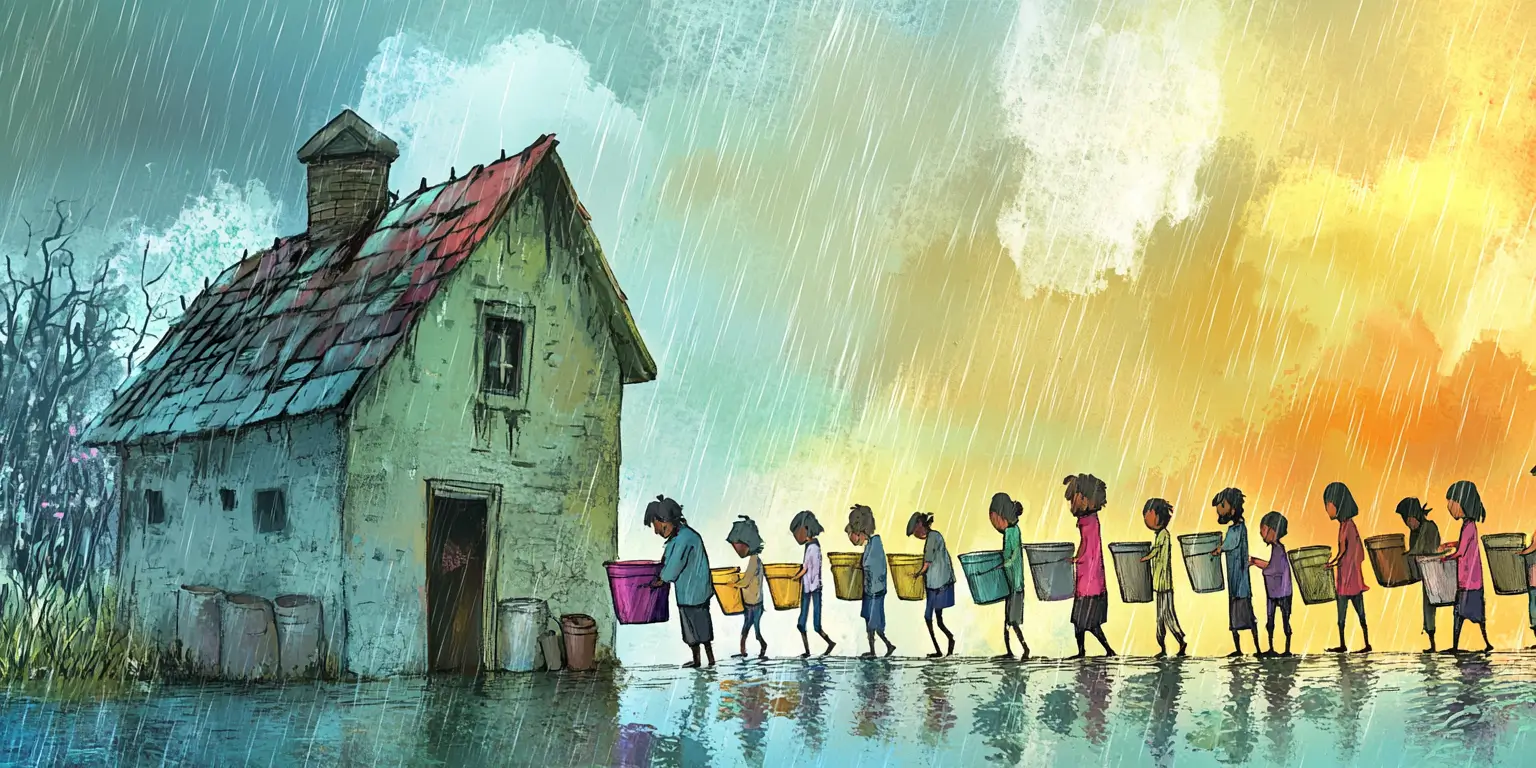
It is fascinating how we humans often choose to treat the symptom instead of addressing the actual problem — like endlessly replacing water-filled buckets with empty ones instead of fixing the leaking roof.
At least that is how it felt at work the other day… again. This time though, the problem was easier to spot in the code than usual.
The Liquid templating language is essential for Jekyll and its themes. While a Clojure implementation exists in the form of a library named Wet 💧, ironically, the library is missing most functionality categorized as Tags > Template in the Liquid documentation.
Though we’ll touch on “writing code” in this next part of my adventure, it perfectly illustrates how problem-solving is more about thinking than just writing code.
This is the second part of the series: “A Clojure Jekyll adventure”, exploring how Clojure fares from a “Jekyll perspective”. You can find the previous part here: How my Jekyll blog became a Clojure adventure.
On the 10th anniversary of Jekyll being my blog engine of choice, my curiosity (and spare time during the holidays) got the better of me. I wanted to explore how well Clojure would fare compared to the original Jekyll implementation in Ruby.